Home Insurance in Micco: A Florida Homeowner’s Guide

You can have the roof looked at, the shutters checked, and the mail pile up on the counter, then one hard storm in Micco changes everything. The first question after the wind dies down is usually the wrong one, “How much coverage do I have?” The better question is, “Which policy pays for wind, which one pays for flood, and what deductible hits me first?”
That matters in Micco because this is a small, mostly owner-occupied Florida community where homeownership is the norm and insurance is a real monthly expense. The Census Bureau reports 9,574 residents, a 93.5% owner-occupied housing rate, and a median owner-occupied home value of $156,400 in Micco, with median monthly housing costs of $1,262 for mortgaged owners Census Bureau Micco profile. In plain English, a premium mistake here isn't a nuisance, it changes affordability.
Micco homeowners need a layered policy strategy, not a vague promise that “home insurance” covers everything. Wind, hurricane, flood, and surge each sit in different buckets, and the deductible on one layer can be very different from the deductible on another. If you get that stack right, you're protected. If you get it wrong, you can pay for the same storm twice.
What Home Insurance Means in Micco
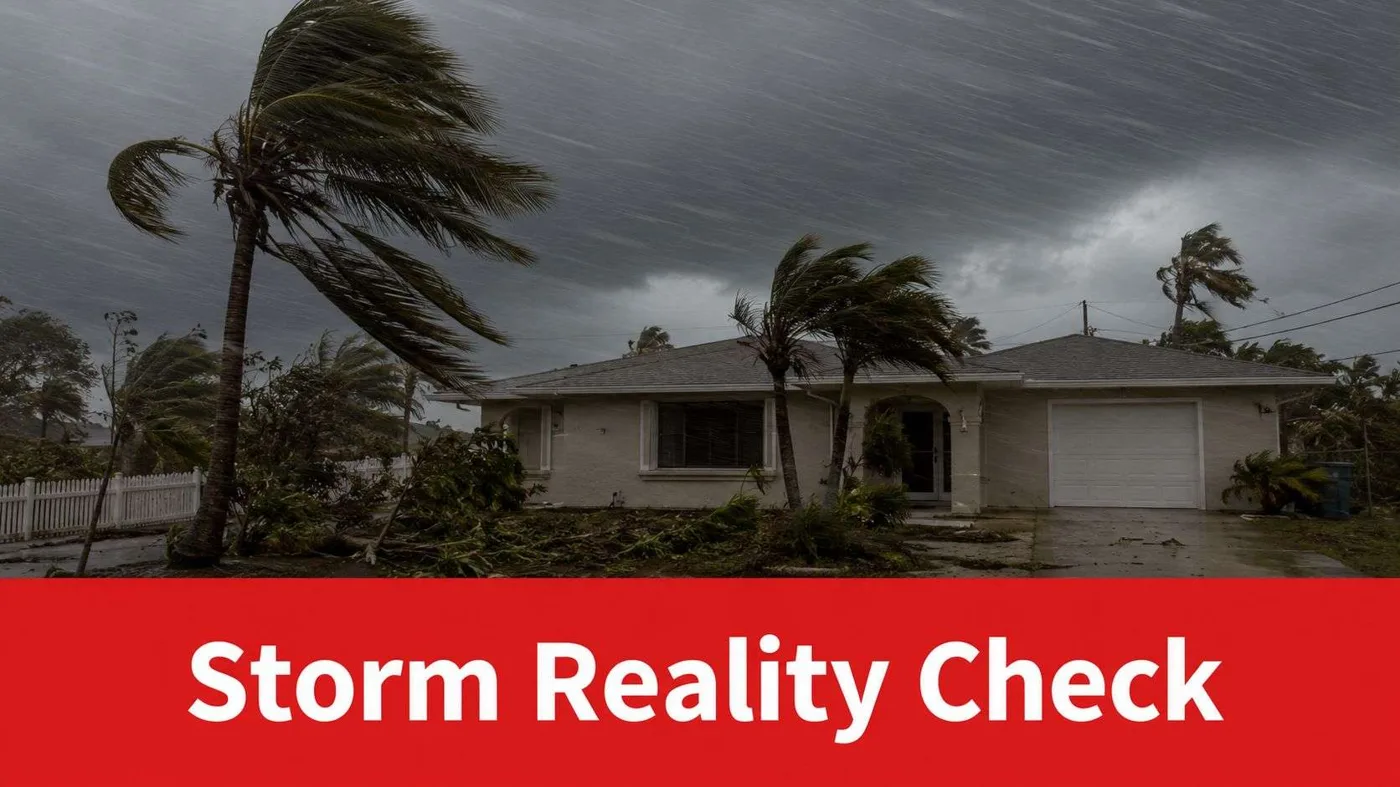
A Micco homeowner can come back after a storm and find shingles in the yard, water lines on the drywall, and a flooded carport. Then the claim fight starts. Was it wind? Was it flood? Did the homeowners policy handle it, or did the separate flood policy have to step in?
That's the starting point for Home Insurance in Micco. The market here does not run on one all-purpose policy. It runs on layers, and each layer pays for a different loss.
The coverage stack is the whole point
Micco's housing profile makes the trade-off clear. Ownership is high, homes are modest compared with many Florida coastal markets, and mortgage payments already take a meaningful share of monthly cash flow Census Bureau Micco profile. The right policy has to do two jobs at once, protect the structure and keep the household budget from getting crushed.
Practical rule: if you cannot explain which policy pays for wind, flood, and surge in one minute, you are not ready to bind coverage.
A standard homeowners policy in Florida is still the first layer for most site-built homes. It protects the house, your belongings, and your liability exposure, but it does not turn into flood insurance after a storm. In Micco, that distinction matters more than the brochure makes it sound.
Why Micco needs a layered approach
Local pricing shows why. One Micco estimate puts the average homeowners policy at $4,558 per year for a standard HO-3 policy, with quotes ranging from $2,968 to $7,950, depending on dwelling value, deductible, and risk factors. Another Micco-specific analysis puts insurance at roughly $945 to $1,282 annually and says insurance can represent 11.1% of housing cost for mortgaged owners Micco rate study. Those figures make one thing obvious, this is not a casual purchase.
Florida-wide pressure makes the local numbers easier to read. Florida's average homeowners premium at $9,283 for $400,000 of coverage was the highest in the country in Insurance.com's 2026 comparison, while the U.S. average for a $300,000 dwelling and liability policy with a $1,000 deductible was $2,543 Insurance.com state comparison. Micco sits inside a tough Florida market, not outside it.
The right way to think about coverage here is simple. Your homeowners policy is one layer, flood is another, and the storm deductible structure has to be understood before you sign anything.
Coverage Forms and What a Standard Policy Pays For
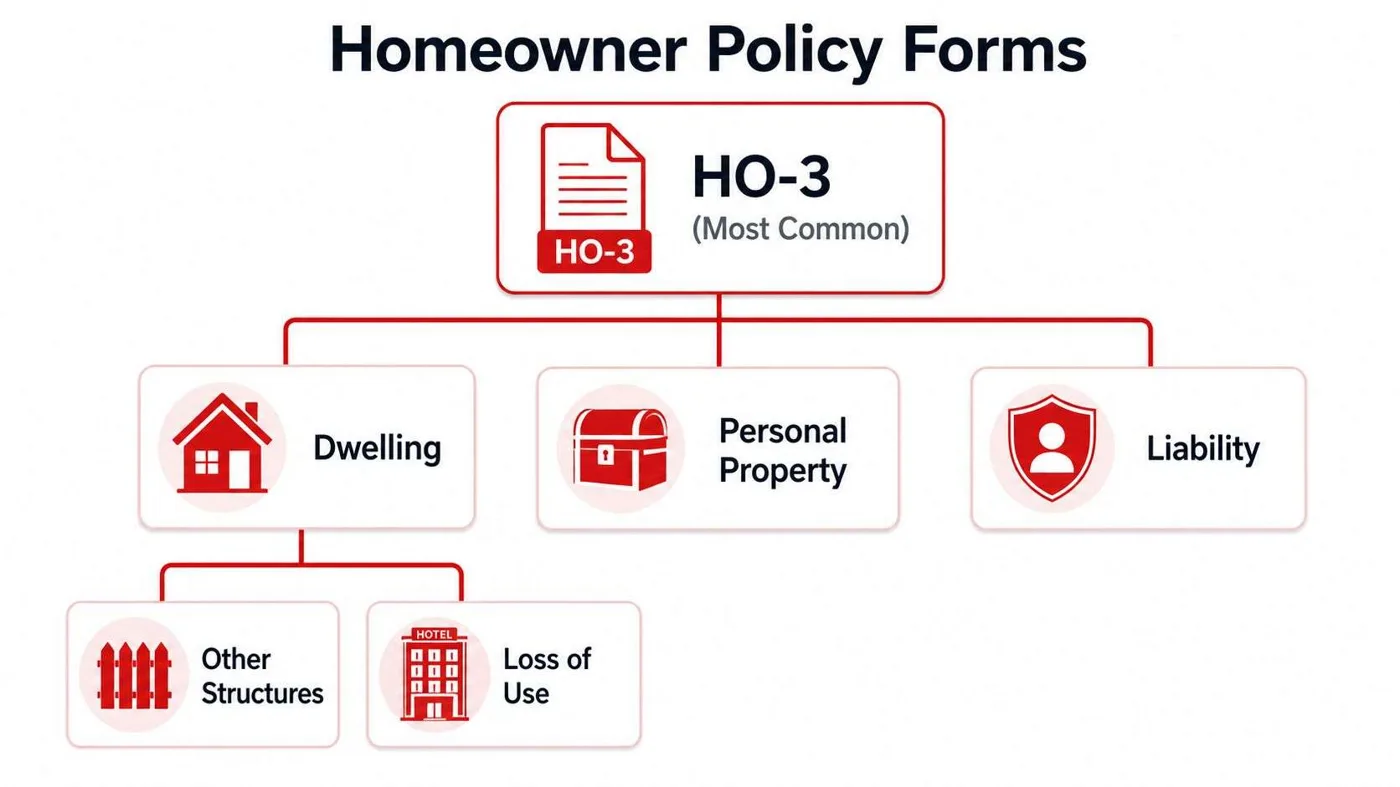
Most Micco owners will be quoted an HO-3 policy. That is the standard Florida homeowners form for a reason. HO-1 is narrower, and HO-5 gives broader personal property treatment, but it usually costs more and is not the right answer for every house.
The form you choose matters because it controls how the policy responds after a loss. It affects what is covered, how personal property is valued, and how much room you have when the claim turns into a repair estimate fight. A cheap quote can look fine until the policy starts using limits and exclusions the homeowner did not expect.
Start with the form, not the marketing language
HO-1 is the leanest option. It covers only a limited list of named perils, so the homeowner gets less protection and less flexibility when something goes wrong. HO-3 is broader and is the practical baseline for most Micco homes. It usually gives open-peril protection on the dwelling, while still limiting personal property to named perils. HO-5 goes further on personal property and can be a better fit for higher-value contents, but the premium reflects that broader treatment.
That difference matters more than a shiny sales pitch. If you own normal household contents and want solid property protection without paying for extras you do not need, HO-3 is the form to start with. If you own more expensive belongings and want stronger personal property terms, HO-5 may make sense. If you are trying to save money by accepting a stripped-down form, you are trading away claim strength for a lower bill.
What the standard forms pay for, and what they do not
A standard homeowners policy is built around several parts. Dwelling coverage pays to repair or rebuild the house itself. Other structures covers detached items like a fence, shed, or similar structures on the lot. Personal property covers belongings inside the home. Loss of use helps pay temporary living costs if the home cannot be occupied. Liability helps if someone is injured on your property or if you cause damage to someone else's property. Medical payments handles smaller guest injury claims without turning every incident into a full liability dispute.
That structure is useful, but it does not make every policy equal. A low dwelling limit can leave you short on rebuild funds. Weak personal property terms can leave you with depreciation instead of replacement value. Thin liability limits can leave you exposed when a simple accident becomes expensive. The form should fit the house and the risk, not the other way around.
For homeowners who want a clear explanation of how the policy form ties into storm coverage, this guide to hurricane insurance in Micco is the right place to compare the moving parts before you buy.
HO-3 is usually the practical baseline in Micco
For most Florida owners, HO-3 is the form that makes sense. It gives broad dwelling protection without forcing you into the higher cost of a top-tier contents policy. HO-1 can look affordable, but the narrower protection is the trade-off. HO-5 can be worth it if you need stronger personal property terms, but the added premium should be justified by what you own.
A low premium is not a win if the policy leaves your belongings undervalued or your rebuild limit short. The better question is whether the form matches the house, the contents, and the level of loss you could absorb. If it does not, the quote is too weak even if the price looks attractive.
The limit matters as much as the form
Even the right form fails if the numbers are wrong. The dwelling limit has to track real rebuilding cost, not a guess pulled from a quick quote screen. Personal property should reflect what is in the house, and liability should be high enough to handle a serious claim instead of a small inconvenience.
Florida owners also need to read the policy with an eye on exclusions and deductibles. The form tells you the coverage style. The declarations page tells you the financial exposure. That is the page that decides how much the policy helps, and how much the homeowner still has to pay out of pocket.
Wind, Hurricane, Flood, and Surge How the Layers Stack
The biggest mistake Micco homeowners make is assuming one policy responds to one storm. That isn't how Florida property insurance works. Wind damage, named-storm deductibles, storm surge, and flood losses don't all land in the same place, and if you don't separate them up front, the claim gets messy fast.
Match the loss to the policy
| Loss Scenario | Homeowners Policy | Separate Flood Policy |
|---|---|---|
| Shingles torn off by hurricane winds | Usually pays, subject to the wind or named-storm deductible | No |
| Water entering from rising surge or ground flooding | No | Usually pays if the flood policy is in force |
| Rain driven through a damaged roof opening after wind damage | Usually pays if wind created the opening | No, unless flood also contributed and the claim facts support it |
The policy split above is the core Florida truth. A standard homeowners policy can respond to wind damage and some wind-driven rain situations, but rising water, storm surge, and ground-up flooding sit outside it and need a separate flood policy. That's exactly why a Micco owner should ask coverage questions in layers, not in one lump.
Deductibles change the math
The hurricane or named-storm deductible is often a percentage of Coverage A, the dwelling limit. That means the higher your dwelling limit, the higher your out-of-pocket trigger can be after a storm. A smaller premium can hide a much larger storm bill if you don't read that section carefully.
The dwelling limit also affects how the policy behaves after a real loss. A strong policy with the wrong deductible structure can still leave you responsible for a large chunk of the repair cost. That's especially important in coastal Florida, where wind, rain, and surge can all show up in one event.
Florida's market reality matters
Florida remains a difficult wind market, and the residual market still exists because some homes can't be placed cleanly with standard carriers. Citizens Property Insurance continues to function as the insurer of last resort when other options aren't available. That's not where you want to start, but it's part of the scenario.
If you want a deeper look at how hurricane coverage is structured in this area, use the local guide on hurricane insurance in Micco. It's a useful companion once you're comparing the wind layer against a flood policy.
What a Micco Policy Costs and Why
Micco pricing is driven by the home itself. Two houses on the same street can land in very different premium bands because one has a newer roof, stronger wind protection, better construction details, or cleaner underwriting history. The quote only makes sense when you know which parts of the property are pushing the number up.
Read the price range the right way
One Micco estimate places the average HO-3 homeowners premium at $4,558 per year, with quotes from $2,968 to $7,950 Micco rate study. A separate Micco-specific estimate puts annual insurance around $945 to $1,282 and says it can be 11.1% of housing cost for mortgaged owners. Those figures are not a contradiction. They reflect different dwelling values, different assumptions, and different rating inputs.
That is the point. The number that matters is the one that fits your house and your risk transfer plan, not a headline average.
The carrier is rating the house, not your intentions
Carriers price what they can verify.
- Year built: Older homes usually create more underwriting friction.
- Square footage: Larger homes cost more to rebuild, so the premium rises with the replacement cost.
- Construction type: The frame, roof, and materials all matter.
- Roof details: Age, shape, and condition are major price drivers.
- Wind mitigation features: Shutters, impact openings, and stronger roof-to-wall connections can lower the wind charge.
- Flood-zone status: Coastal exposure should push you to separate the flood decision from the homeowners quote.
In Micco, pricing often centers on mitigation and exposure, not just dwelling size. A home with documented roof improvements, impact protection, and a clean wind mitigation report is easier to place than a similar home with no proof of upgrades. Carrier-specific underwriting can also reward one feature and ignore another, so two quotes that look close on paper may hide very different risk assumptions.
Florida's statewide pricing pressure explains why Micco does not sit outside the norm. The state average premium at $9,283 for $400,000 of coverage was the highest in the country in the cited comparison, while the U.S. average sat far lower at $2,543 for the benchmark policy Insurance.com state comparison. Micco lives inside that expensive market.
If a quote looks unusually cheap, check the dwelling limit, the deductible, and the property form before you celebrate.
The smart move is to ask what changed the price, not just what the price is. That tells you whether the quote is strong, thin, or built on a different view of the home.
Mitigation Upgrades That Move Eligibility and Price
In Florida, mitigation is not a nice-to-have. It can decide whether a carrier writes the home at all. That's especially true in coastal towns like Micco, where roof condition, opening protection, and construction details matter as much as the zip code.
Get the documents carriers actually use
Before binding coverage, collect the wind mitigation report, roof specifications, permit details, and any impact-rated opening documentation. A Florida-focused new-home guide specifically calls for those items before closing and notes that the effective date must match the closing date so the binder lands on time Micco new-home guide. If the lender or title company needs the binder and you're still chasing paperwork, you're creating a closing problem for no reason.
Carriers don't reward vague “upgrades.” They score evidence.
Focus on the features that matter
The practical checklist is short:
- Opening protection: Hurricane shutters or impact windows can improve the risk picture.
- Roof age and material: Newer roofs and stronger roof designs are easier to place.
- Secondary water resistance: Extra barrier under the roof decking adds resilience.
- Roof-to-wall connection: Stronger tie-downs matter in wind country.
- Roof deck attachment: Better nailing patterns can help the home score better.
Those items don't just shave premium. In a hard market, they can change which carrier will even look at the file. That's a much bigger deal than a small credit.
Why this matters more for older homes
Older homes are where the friction shows up first. The issue isn't only age, it's documentation, materials, and whether the home can meet current underwriting standards without a costly exception. A newer roof with clean paperwork is much easier to place than a house where the carrier has to guess about the roof system.
Florida's market still includes fallback options for hard-to-place risks, but that's not the first choice. The right answer is to improve the home's insurability before you shop. A better roof and better documentation beat a lower quote with a weak structure every time.
How to Compare Quotes and Buy or Switch Coverage the Right Way
Buying insurance in Micco should feel like a checklist, not a gamble. If you already own the home, you need to compare your current policy against the next one line by line. If you're buying, you need the quote process to fit the closing timeline, not fight it.
Build the file before you shop
Gather these items first:
- Wind mitigation report. Carriers use it to price the wind side of the policy.
- Roof details. Age, material, shape, and condition all matter.
- Replacement-cost estimate. Don't guess at dwelling value.
- Prior declarations page. That helps expose weak deductibles or missing coverages.
- Flood-zone documentation. If the property sits in a flood-prone area, don't wait to sort that out.
Then ask for quotes from multiple carriers or through an independent Florida agency that can compare options without forcing one company's answer onto every home. If you want a clean starting point for that process, the local guide on home insurance quotes in Micco is a practical reference.
Compare the right lines, not just the total
A low premium can hide a lower dwelling limit, a harsher hurricane deductible, or weaker personal-property terms. That's why the comparison has to be apples to apples. Check the dwelling limit, the deductible structure, liability limits, and any endorsements that really matter for Florida losses.
Don't downgrade the dwelling limit just to make the quote look better. That's how homeowners save a little now and pay a lot later. Also, don't let a policy lapse while you're switching carriers. In this market, gaps are expensive and unnecessary.
Manufactured homes need their own attention
For financed manufactured homes in Florida, insurance may be required by the lender, and some manufactured home communities or HOAs also want proof of coverage before move-in or continued occupancy. Florida doesn't require insurance just to own the home, but the financing and community rules can still force the issue.
The quote that closes on time is the one that was built with the right documents from day one.
If you treat the process like a document exercise instead of a shopping trip, the result is better coverage and fewer surprises at closing.
Filing a Claim in Micco and Getting It Resolved
A hurricane claim in Micco usually starts with panic and ends with paperwork. The people who get paid faster don't necessarily have easier losses, they just document well, communicate clearly, and understand which policy layer is responding.
Start with the first hour, not the first adjuster
Take photos and video before you move much of anything. Protect the property from further damage with reasonable repairs, but keep receipts for materials and temporary fixes. Then contact your agent before the claims line if possible, because an agent can help you frame the loss and direct the claim to the right coverage layer.
That matters after storms where wind and flood both play a role. Two adjusters may show up because two different policies may be involved. If surge flooding entered the house, the flood claim is separate from the wind claim. If the roof was opened by wind and rain entered through that opening, the homeowners claim may be the one that matters most.
Keep the claim tidy
A simple log helps more than you might expect.
- Write down every call. Date, time, name, and what was said.
- Save every estimate. Don't rely on memory.
- Track repairs. Reasonable mitigation work should be documented.
- Ask questions in writing. That reduces confusion later.
If the offer comes in lower than expected, push back with facts, not emotion. Revisit the damage photos, the estimate, and the policy language. If needed, the appraisal clause can be used to resolve certain valuation disputes without turning the claim into a long fight.
For a step-by-step claims workflow, the local guide on how to file a home insurance claim is worth keeping nearby. If you want a general roof-damage reference after a storm, Arizona Roofers claim assistance can also help frame the repair side of the process.
Citizens and non-admitted carriers both handle claims in Florida, so don't assume every file behaves the same way. The key is to know your deductible, know your policy layer, and keep the paper trail clean.
Why a Florida-Only Independent Agency Changes the Outcome
In coastal Florida, the agent is part of the coverage stack. A Florida-only independent agency can place a Micco home with a standard admitted carrier, a specialty coastal carrier, or Citizens when the risk profile demands it. That flexibility matters because one yes-or-no carrier won't solve every roof age, wind eligibility, or manufactured-home problem.
Schneider and Associates Insurance Agencies fits that model in Florida, including Micco, where it offers home, flood, and related property coverage guidance. That kind of placement matters when you're trying to separate wind from flood, line up the right deductible, and avoid a last-minute closing problem.
The right next step is simple. Request a quote, send the wind mitigation report, and ask for a side-by-side comparison that shows the dwelling limit, the hurricane deductible, and any flood coordination issues before you sign anything.
Have questions about your coverage?
Our Newberry and Micco, FL team can walk through your policy and find the right coverage at the right price.
Get a Free Quote